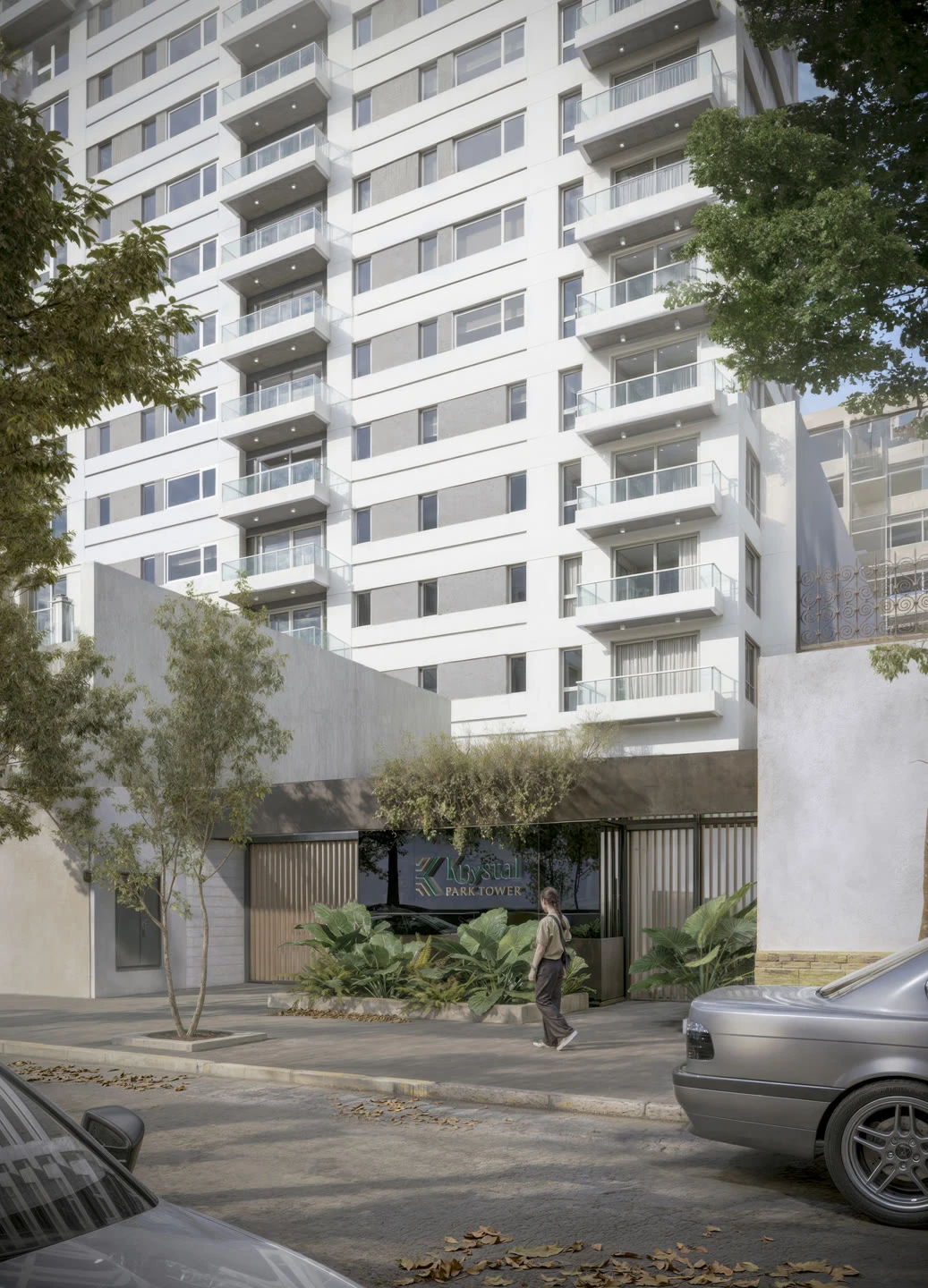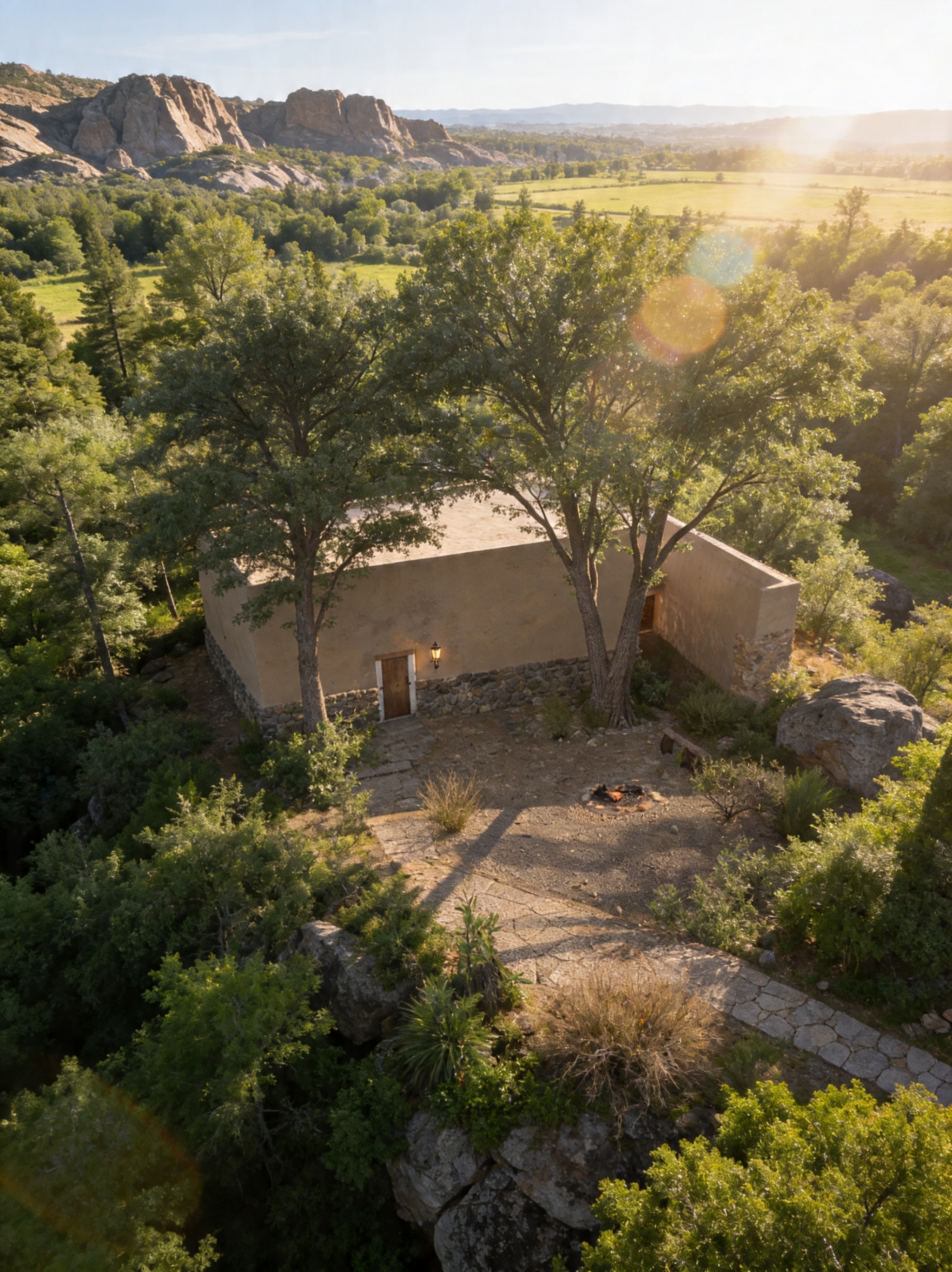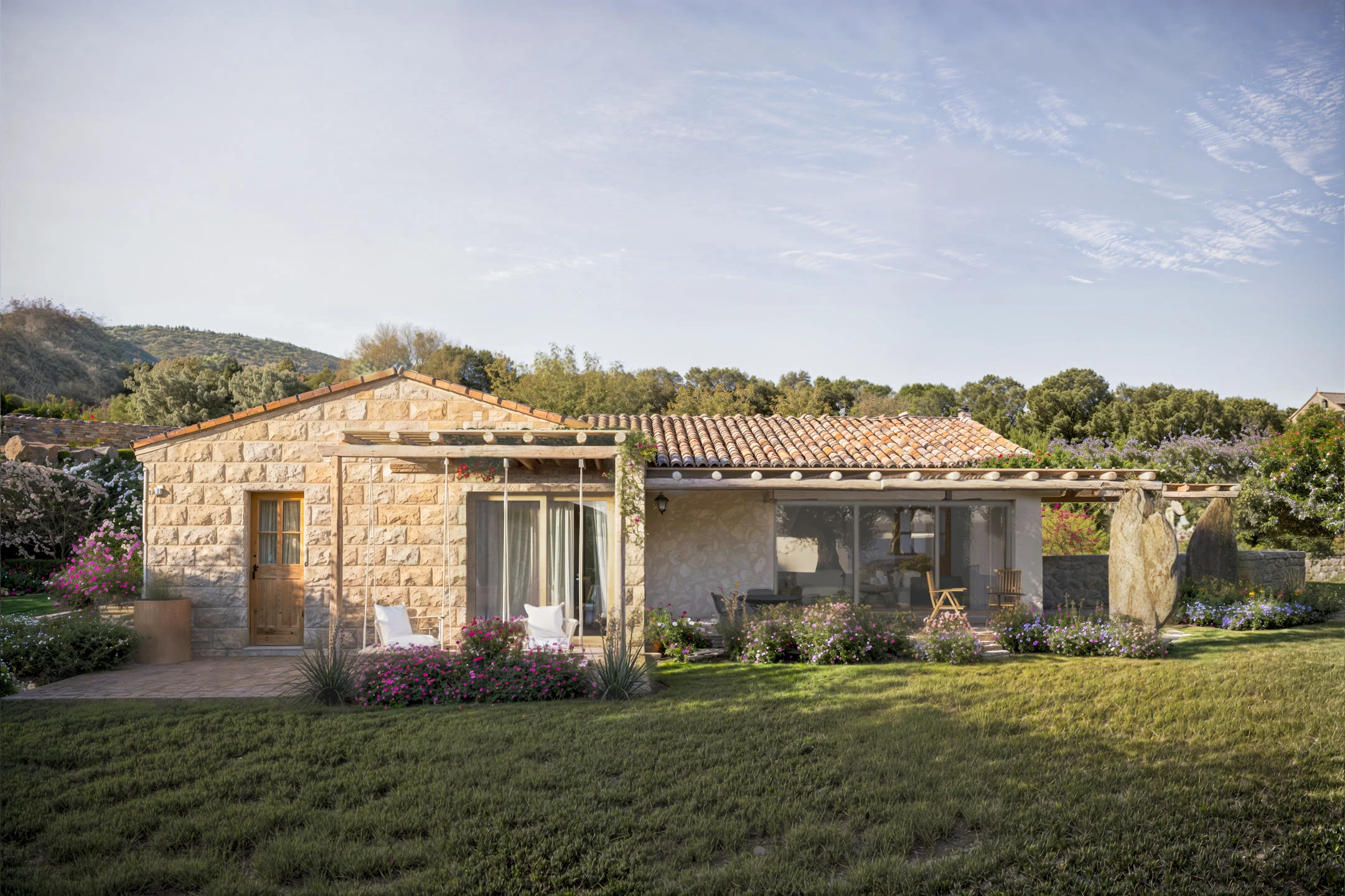
The question comes up often, especially from studios that are growing and starting to think seriously about communication: is a render or a construction photo more useful? The short answer is they're not alternatives. The long answer is this article.
Renders and construction photos don't compete with each other because they don't serve the same moment. Confusing them — using one where the other should go — is one of the most frequent and costly mistakes we see in the communication of architecture studios and real estate developments.
The fundamental difference: time
There's one rule that orders everything that follows: the render lives before construction; the photo lives after. The render exists because the building doesn't exist yet. The photo exists because the building is already there.
That isn't a limitation of one or an advantage of the other. It's a condition of origin that defines what each tool is for.
The render doesn't compete with the photo. It precedes it.
A well-managed project uses both: the render for the sales process, approvals and communication while the building doesn't exist; the photo for editorial publication, portfolio and studio positioning when the project is finished.
When the render is the right answer
When the building doesn't exist yet.
The most obvious and most important reason. If the project is in executive design, schematic design or construction, photography is impossible. The render is the only way to have an image of the project. For pre-sales campaigns, investor presentations, competitions and ongoing project communication, there's no alternative.
When you need 100% image control.
Architectural photography depends on weather, daylight, the state of the surroundings, the neighbors who park badly. The render doesn't. You can pick exactly which time of day, which sky, which vegetation, which state of the materials. That precision has concrete value when the image is bound for paid campaigns, printed brochures, or presentations with fixed deadlines.
When the project is competing.
Architecture competitions are presented before the work exists. The render is the standard medium of representation — and in that context, the quality of the image can tip the balance between a first place and being left out of the selection.
When you want to show something that wasn't executed.
There was a cladding change to the original design. The client chose a color variant the studio didn't prefer. You want to show the project as it was conceived, not as it was built. The render allows that control. The photo doesn't.
When the construction photo is the right answer
When the building already exists and you want to publish it.
ArchDaily, Dezeen, Architectural Record, sector magazines. They all prefer — and generally require — real construction photography for editorial publications. A render can accompany the publication as complementary material, but it doesn't replace photographic record. If the project is finished and you don't have photos, you're missing a positioning opportunity that won't come back.
When it's for the studio portfolio.
A studio's portfolio is its argument of authority. It works differently when it's composed only of renders versus when it combines renders of in-process projects with photos of finished projects. The photo says "this was built, it exists, someone lives there." That generates a kind of trust the render can't replace.
When the real result exceeds the image you had.
It happens more than is acknowledged: the finished project is more interesting than the render. The real light in that space, the way materiality behaves over time, the construction details that were 3D solutions in the render and real decisions on site. The photo captures all that. The render can't.
The comparison table
| Situation | Render | Construction photo |
|---|---|---|
| Unbuilt project Pre-sales, competition, investors |
✓ The only option | Impossible |
| Project under construction Progress communication |
✓ Shows the final result | Possible, but partial |
| Editorial publication ArchDaily, Dezeen, magazines |
Complementary | ✓ Preferred or required |
| Studio portfolio Finished projects |
Acceptable, not ideal | ✓ More credible and definitive |
| Post-construction awards WAN, AR Awards, etc. |
Complementary | ✓ Required |
| Total image control Light, weather, surroundings |
✓ Absolute control | Depends on the day |
| Unbuilt variants Alternative colors, materials |
✓ No limitations | Impossible |
The most frequent mistake: the photo that was never taken
In eight years working with architecture studios, the mistake that repeats the most isn't using a render where a photo should go. It's the opposite: having finished, built projects that were never photographed.
The sequence we frequently see: the studio makes the render for pre-sales, the building gets built, the client moves in, and the studio keeps using the render in its portfolio. Over time, the portfolio is composed almost exclusively of renders — even of projects that have been finished for years.
That creates two problems. The first is aesthetic: renders age. A 2020 render reads as a 2020 render. The photo of a good project doesn't age the same way. The second is credibility: a portfolio without construction photos transmits, even unconsciously, that the projects aren't built yet.
The render used in pre-sales did its job. The construction photo is the job that follows.
If you have finished projects without photographs, that's a concrete priority. You don't need a high-budget photographer to start: a well-planned session with natural light at the right hour can completely change how the portfolio is perceived.
The second mistake: waiting for the photo when you need to act now
The other extreme also exists. Studios with projects in development, in competition or in pre-sales who decide to wait until the building is finished to have "real images." In that interval, the communication opportunity has already passed.
Pre-sales can't wait for the photo. Neither can the competition. The investor presentation is on Wednesday. In those cases, the render isn't a second option: it's the only available tool, and the quality of that tool determines the result.
The strategy that works: both, in order
The image lifecycle of a well-managed project has two phases, not one:
- Before and during construction — renders. Pre-sales, approvals, competition, progress communication. The render builds the project narrative before it exists. It defines how the market will understand the project.
- After construction — photos. Editorial, portfolio, awards, publications. The photo closes the cycle and turns the project into permanent record. It's the material that will represent the studio for the next ten years.
Studios that manage their communication well do both. They don't choose between render and photo: they plan when each one belongs.
A practical question to close
When you ask yourself if you need a render or a photo, answer this first: does the building exist?
If it doesn't yet: render. If it already does: photo. If it exists but the surroundings are still under construction and can't be photographed with dignity: render in the meantime, photo when the context is ready.
It's no more complicated than that. The difficulty isn't in knowing which one to use — it's in not delaying either when its turn comes.